
VOICE RESOURCES
Evidence-informed resources for singers and voice users.
Explore clear, practical information about vocal function, vocal health, singing practice,
performance and common voice myths.
These resources are designed to help you better understand your voice, ask more useful questions and make informed decisions about what to explore next.
HYDRATION
Singer Hydration Calculator
Estimate your daily fluid target based on body weight, singing load, and exercise.
This is a general estimate, not medical advice. It doesn't replace guidance from your doctor, particularly if you have a health condition, take medication, or have specific concerns about hydration or vocal health.
Hydration Reminder Links
Add a few simple reminders to your calendar so your hydration target doesn't become a last-minute panic chug.
Why hydration matters for your voice
Your vocal folds vibrate hundreds of times a second, and they rely on a thin, even layer of mucus to move smoothly against each other. When you're dehydrated, that layer becomes thicker and stickier, so your voice has to work harder to produce sound. The result can be a huskier tone, quicker vocal fatigue, and a longer warm up.
Hydration is cumulative rather than immediate. Drinking a glass of water right before you sing won't undo a day of being under-hydrated. What actually helps your voice is steady fluid intake across the whole day, every day, not just on singing days.
Simple ways to increase your fluid intake
- Keep a water bottle within reach and get into the habit of refilling it at set points in your day rather than waiting until you feel thirsty.
- Sip steadily through the day instead of trying to catch up with a large drink right before or during a performance.
- Add water rich foods to your meals. Fruit, vegetables, and soups all contribute to your overall fluid intake, not just what you drink.
- Nebulizing 0.9% isotonic saline has been shown to ease vocal effort and reduce dryness, worth considering on unusually demanding singing days. Check with your GP first if you have any respiratory condition.
- Use the calendar reminders above to build hydration into your routine, so it becomes automatic rather than something you have to remember.
NON-SINGER IDENTITY CHECK
Non-Singer Identity Check
A quick way to see how much an old comment might still be shaping your relationship with singing. Not a diagnosis, just a mirror. Answer honestly, nothing is saved or sent anywhere.
Why singing matters more than getting it right
Singing is one of the oldest human activities, older than language by some theories, and it appears across every culture long before anyone thought to grade it. Research links singing, alone or in a group, to lower stress, stronger social connection and improved mood. The feeling it produces, the release of breath and tension, the sense of being fully present in the body, is available at any skill level. That feeling is the point, not the technical result.
If this resonates, the BPS Voice Community is built around exactly this kind of exploration, understanding your voice and yourself, in the company of others doing the same. It works from a biopsychosocial approach to singing: your voice is shaped by body, mind, and connection with others, not just technique, so sessions make room for what's actually happening for you physically, emotionally, and socially, not only what's happening acoustically. Autonomy, evidence-based practice, and respectful relationships sit underneath everything the community does.
Or if you'd rather start one-to-one, a single session is a low-pressure way in.

RECOMMENDED PRODUCTS
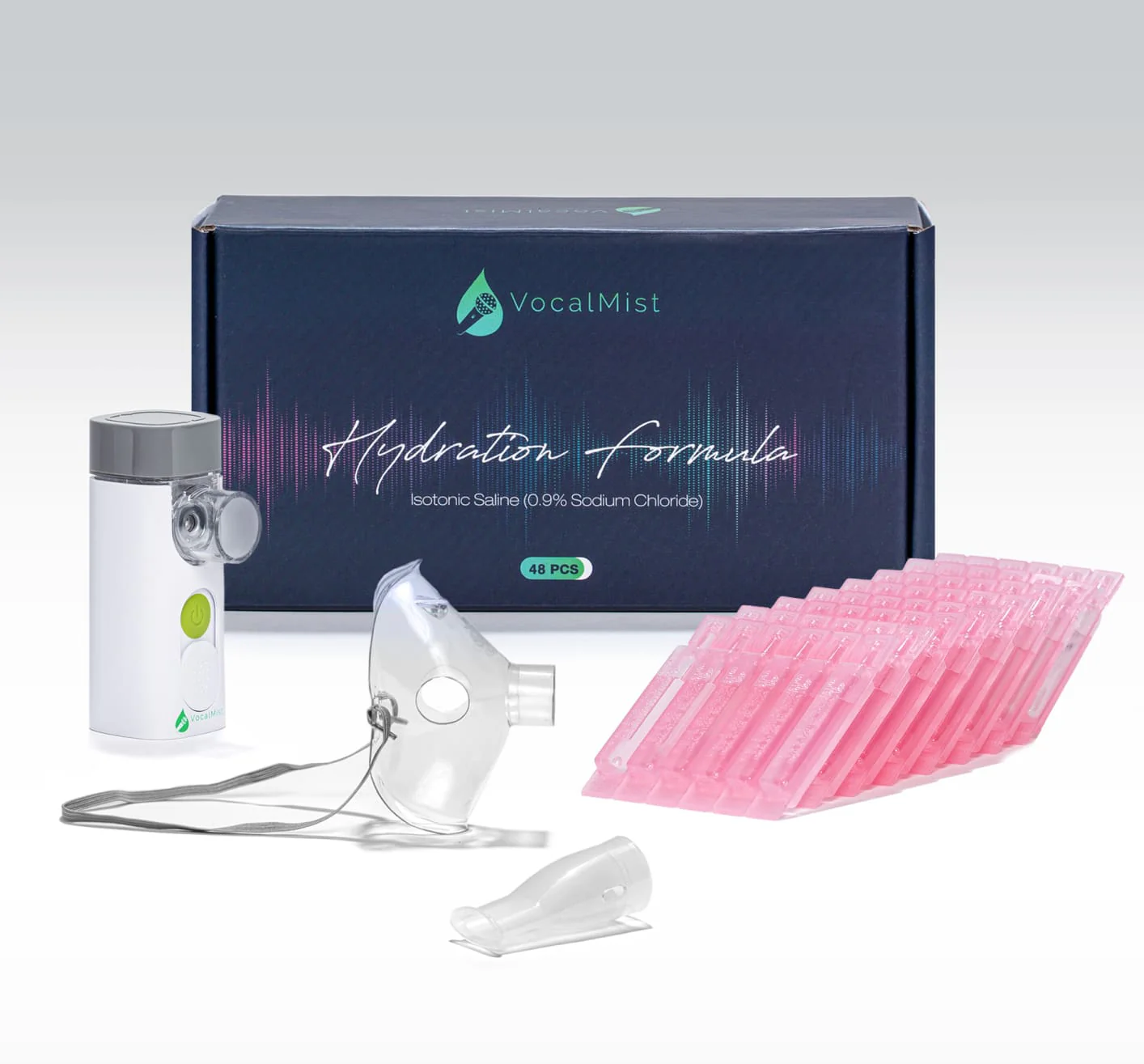
VocalMist Portable Nebulizer, a compact nebuliser that delivers 0.9% isotonic saline, the same solution behind the vocal fold hydration research mentioned above. I recommend it for singers who want extra support on unusually demanding days, on top of steady daily water intake rather than instead of it.
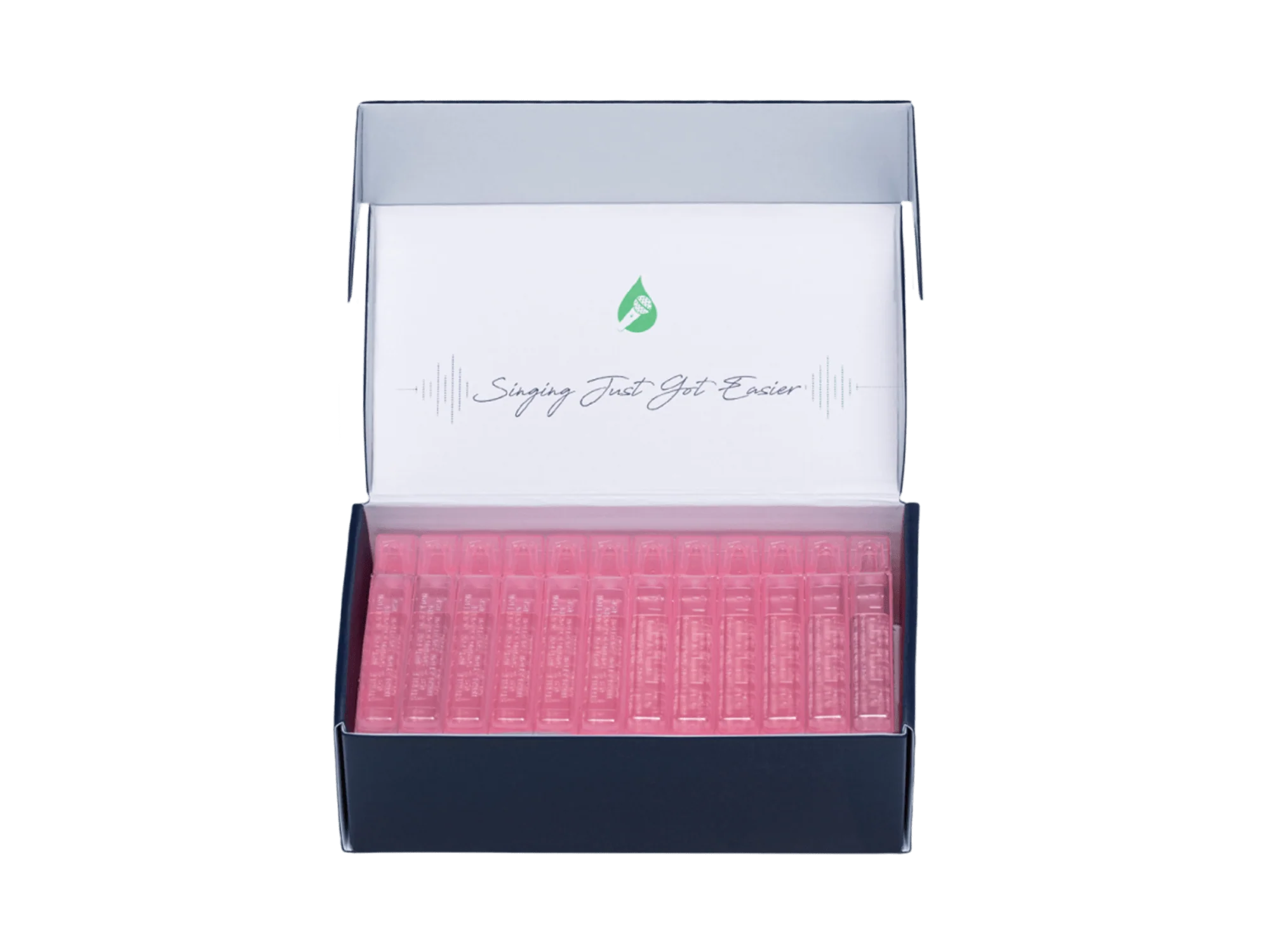
VocalMist Hydration Formula Refill Pack, 0.9% Isotonic Saline Refills, the saline solution the VocalMist nebuliser uses. It's a consumable, so if you're using the nebuliser regularly, you'll want to keep a supply on hand. This is the one I restock myself.
Disclaimer: The links provided are affiliate links. If you buy through these links, I may earn a small commission at no extra cost to you. I only recommend products I've tried myself or genuinely trust for my clients.
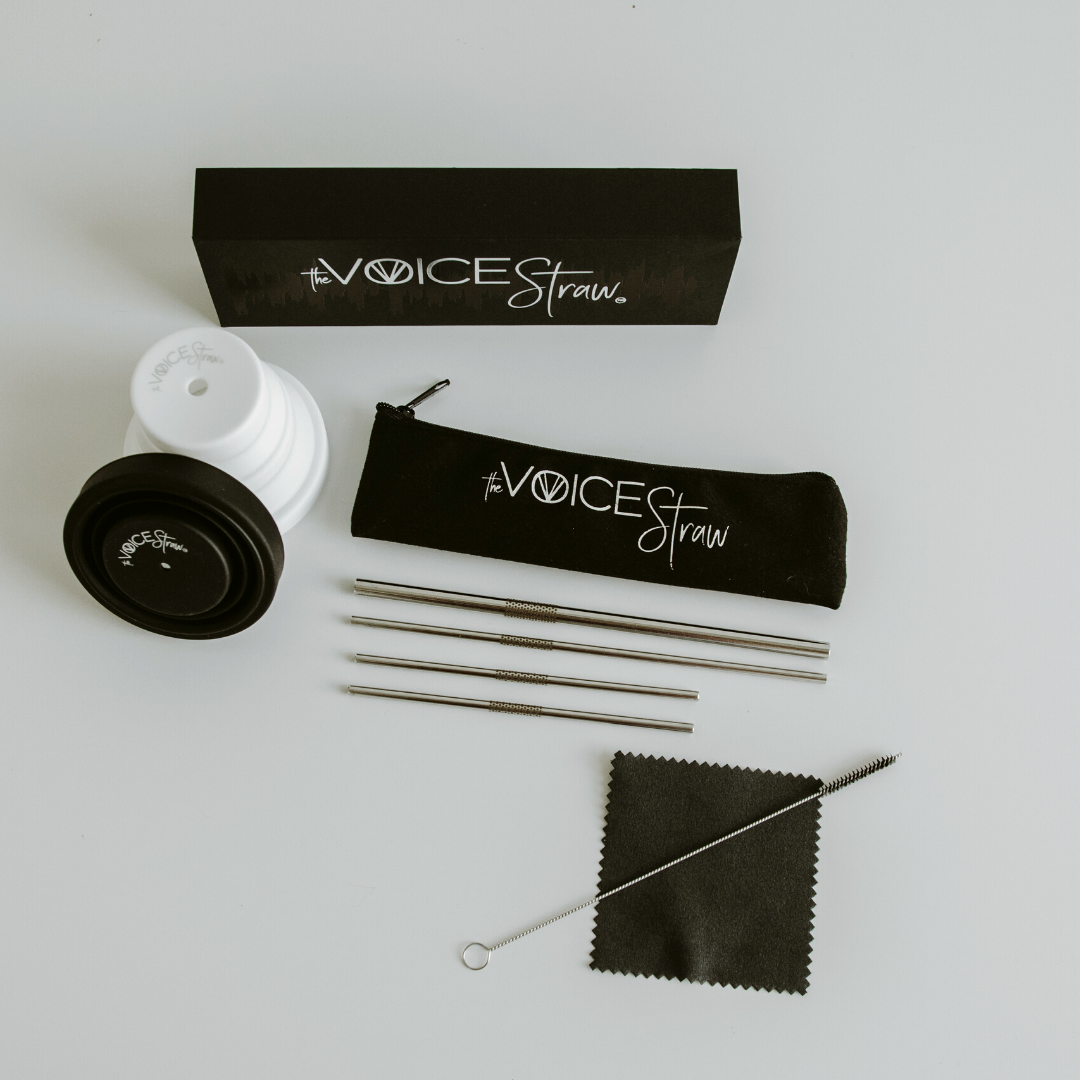
The Voice Straw, a set of stainless steel straws for semi-occluded vocal tract (SOVT) exercises, the technique behind Ingo Titze's straw phonation research. Breathing and vocalising through a narrow straw creates back pressure that encourages efficient vocal fold vibration and eases strain. I use it to release tension and even out my voice when it feels breathy, pressed, or unstable.
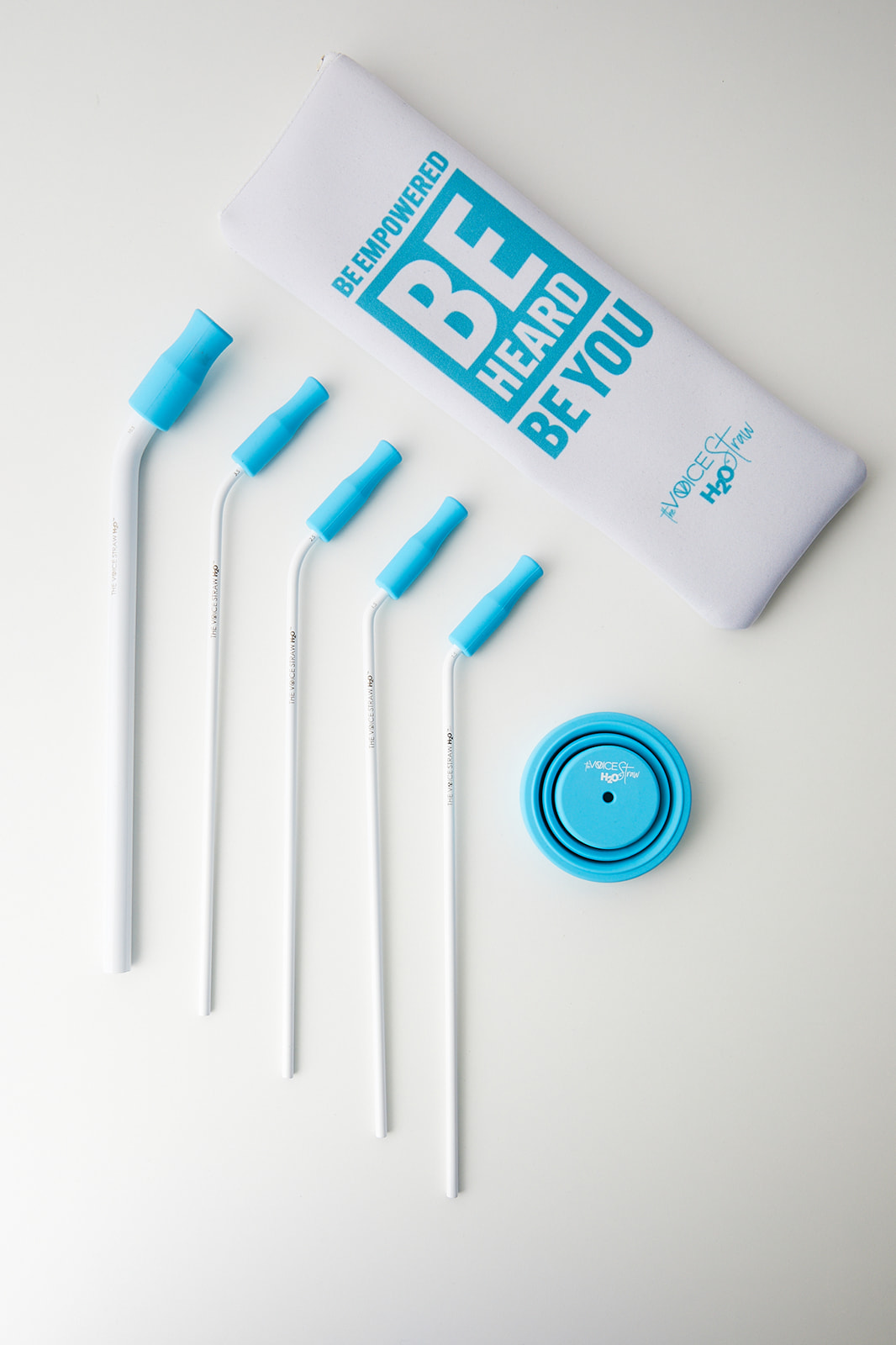
Voice Straw H2O, the same SOVT principle, with the straw submerged in water for added resistance and a visual cue, you can see and hear your airflow as you vocalise into the cup. Good for building breath control and steadier tone, particularly for students who respond well to that kind of visual feedback.